Get Relief from Jaw Pain
Smiling, swallowing, chewing, and yawning shouldn’t cause you pain and discomfort. If it does, you may experience the symptoms of TMJ disorder.
The good news is there is treatment available to help you get back to living life comfortably. Our team can assess your symptoms, determine the cause, and recommend treatment options for you.
Get relief today! Visit us for a detailed exam.
Book Appointment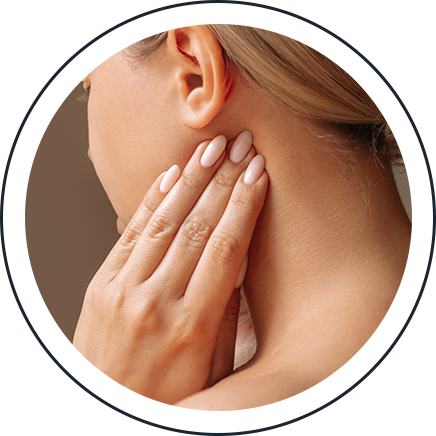
What Is TMJ Disorder?
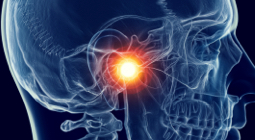
The temporomandibular joint (TMJ) connects your jaw to your skull. This joint functions as a sliding hinge, allowing your mouth to open, close, and move side to side. When the joint isn’t functioning correctly, it can result in TMJ disorders (TMD).
TMD can create pain in your jaw and surrounding muscles, which can be caused by stress or other factors, including:
- Arthritis
- Injury
- Genetics
- Teeth grinding
- Teeth clenching
Symptoms of TMJ Disorder
The symptoms of TMJ disorder can range from mild to severe and affect the comfort of your day-to-day life. These symptoms include:
- Jaw pain or tenderness
- Trouble opening and closing your mouth
- Headaches
- Neck pain
- Clicking, grinding, or popping when chewing

TMJ Treatment
Determining the cause of your TMJ pain or discomfort can help us create a strategy to alleviate your symptoms. Your dentist can recommend proper treatment for you by performing a detailed exam and taking X-rays.
As your TMJ and TMD specialist team in NE Calgary, we take the time to understand what’s driving your specific symptoms so treatment addresses the root cause, not just the pain.
Treatments can include:
- Relaxation techniques
- Gentle massage and stretching
- Avoiding hard or sticky foods
- Botox injections
- Correcting your bite through orthodontics
- Medication for inflammation and pain
- Wearing a nightguard or bite plate to help your jaw joints relax
Frequently Asked Questions About TMJ
What causes TMJ disorder?
TMJ disorder can develop for several reasons, and often more than one factor is involved. Common causes include stress, arthritis, injury to the jaw, genetics, and habitual teeth grinding or clenching. Because the causes vary from person to person, identifying what is behind your symptoms is the first step in treating them effectively.
What are the most common symptoms of TMJ disorder?
Symptoms range from mild to severe. The most common are jaw pain or tenderness, trouble opening and closing your mouth, headaches, neck pain, and clicking, grinding, or popping sounds when you chew. If any of these are affecting your day-to-day comfort, it is worth having your jaw assessed.
Can TMJ disorder go away on its own?
Mild TMJ discomfort sometimes eases with self-care, such as relaxation techniques, gentle massage and stretching, and avoiding hard or sticky foods. If your pain is persistent, worsening, or interfering with eating and sleeping, it is better to have it examined than to wait, since an underlying cause like grinding or a bite problem usually needs treatment before symptoms settle.
Should I see a dentist or a doctor for jaw pain?
A dentist is usually the right place to start. TMJ disorder involves the joint connecting your jaw to your skull, and a dentist can assess your bite, check for signs of grinding or clenching, and take X-rays to help determine the cause. From there we can recommend treatment or refer you on if another specialist is better suited to help.
How is TMJ disorder diagnosed?
We begin with a detailed dental exam and X-rays. This lets us look at the joint itself, assess how your teeth come together, and check for wear patterns that point to grinding or clenching. Understanding the underlying cause is what allows us to build a treatment plan that addresses your symptoms rather than just masking them.
Can a nightguard help with TMJ pain?
For many patients, yes. Wearing a nightguard or bite plate helps the jaw joints relax and reduces the strain caused by grinding or clenching during sleep. It is one of several options we may consider, alongside approaches such as gentle stretching, medication for inflammation and pain, Botox injections, or correcting your bite through orthodontics.
Does TMJ disorder cause headaches?
It can. Headaches and neck pain are among the common symptoms of TMJ disorder, because the muscles surrounding the joint connect through the head and neck. If you have frequent headaches alongside jaw tenderness or clicking when you chew, TMJ disorder may be a contributing factor worth investigating.
Do you have a TMJ specialist in Calgary?
Our dentists have experience diagnosing and treating TMJ disorder (TMD) and can act as your TMJ specialist for an initial assessment — no referral is needed. We start with a detailed exam and X-rays to identify what’s causing your symptoms, then build a treatment plan around it. If your case needs a specialized oral surgeon or physiotherapist, we can refer you from there.
Can Botox help treat TMJ pain?
Yes, Botox injections are one of the treatment options we may recommend for TMJ disorder. Botox helps relax the jaw muscles responsible for clenching and grinding, which can ease pain and tension around the joint. It’s often used alongside other approaches, like a nightguard or bite correction, depending on what’s causing your symptoms.
Visit Your Trusted Dentist
If you’re experiencing the discomfort of TMJ disorder, we want to help. Visit us for a dental exam and we can help determine the right course of action to alleviate your symptoms.
For a deeper look at TMJ symptoms, causes, and treatment options, read our full guide: TMJ Disorder: Symptoms, Causes & When to See a Dentist.
Book Appointment
Explore Our Dental Services


Our NE Calgary Location
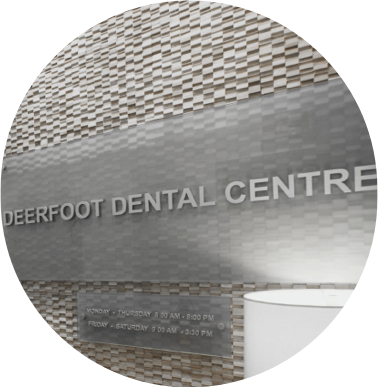
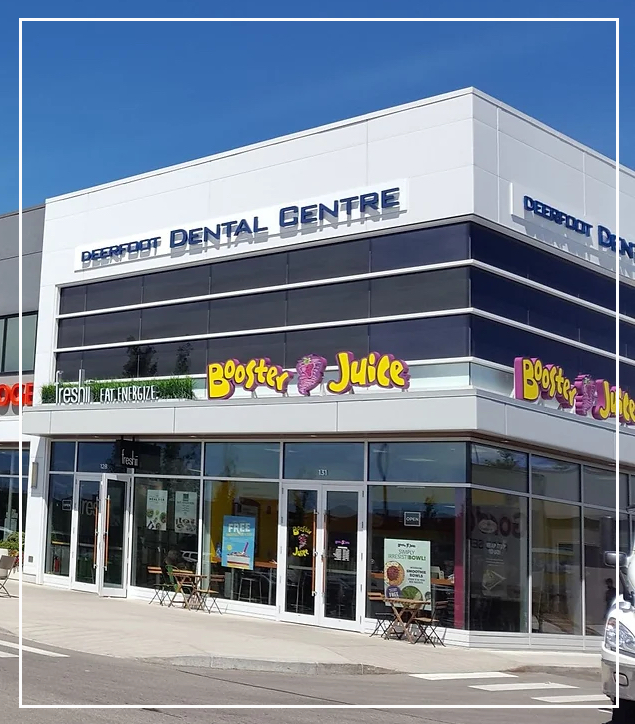
You can find us on 64 Avenue in the Deerfoot City plaza, next to Tim Hortons and above the Booster Juice. There’s plenty of parking available in the Deerfoot City plaza around the clinic.
Our Address
- 971 64 Ave NE #225
- Calgary, AB T2E 7P4
Contact Information
- Phone: 403-275-9255
- Email: reception@deerfootdental.com
Hours of Operation

Read Our Reviews