If you’ve been reading about oral sedation and are wondering whether you’d actually qualify for it, here’s how that decision actually gets made — and why it isn’t something you can fully answer on your own.
This is general information, and every patient’s situation is different. Please contact our team for guidance specific to you. This page is meant to help you decide whether a consultation makes sense — not to diagnose or clear you for sedation.
This isn’t a self-screening tool — here’s why
Whether oral sedation is appropriate for you depends on your full medical history, current medications, and the specifics of your procedure — details that only come out through a proper conversation with your dentist, not a checklist. What follows are common reasons patients consider oral sedation and what your dentist actually reviews, not a self-assessment to clear yourself against.
Reasons patients typically consider oral sedation
Patients typically look into oral sedation because they:
- Feel anxious or nervous about dental visits
- Have avoided the dentist due to fear in the past
- Have a strong gag reflex that makes procedures difficult
- Are having a longer or more involved procedure
- Have had a difficult dental experience before
If any of these sound like you, that’s a reasonable enough reason to bring it up at your next appointment or consultation.
What your dentist reviews before recommending it
Before recommending oral sedation, your dentist reviews your medical history, current medications, and any health conditions that might affect how you respond to it. This is a standard, thorough part of the process — not a hurdle — and it’s the main way sedation stays safe for the patients who use it.
What if I’m not a good fit?
If oral sedation isn’t the right approach for you, that doesn’t mean you’re stuck without options — your dentist can talk through other ways to make your visit more comfortable, from simple communication strategies to other approaches, depending on what’s driving your concern.
What a consultation actually involves
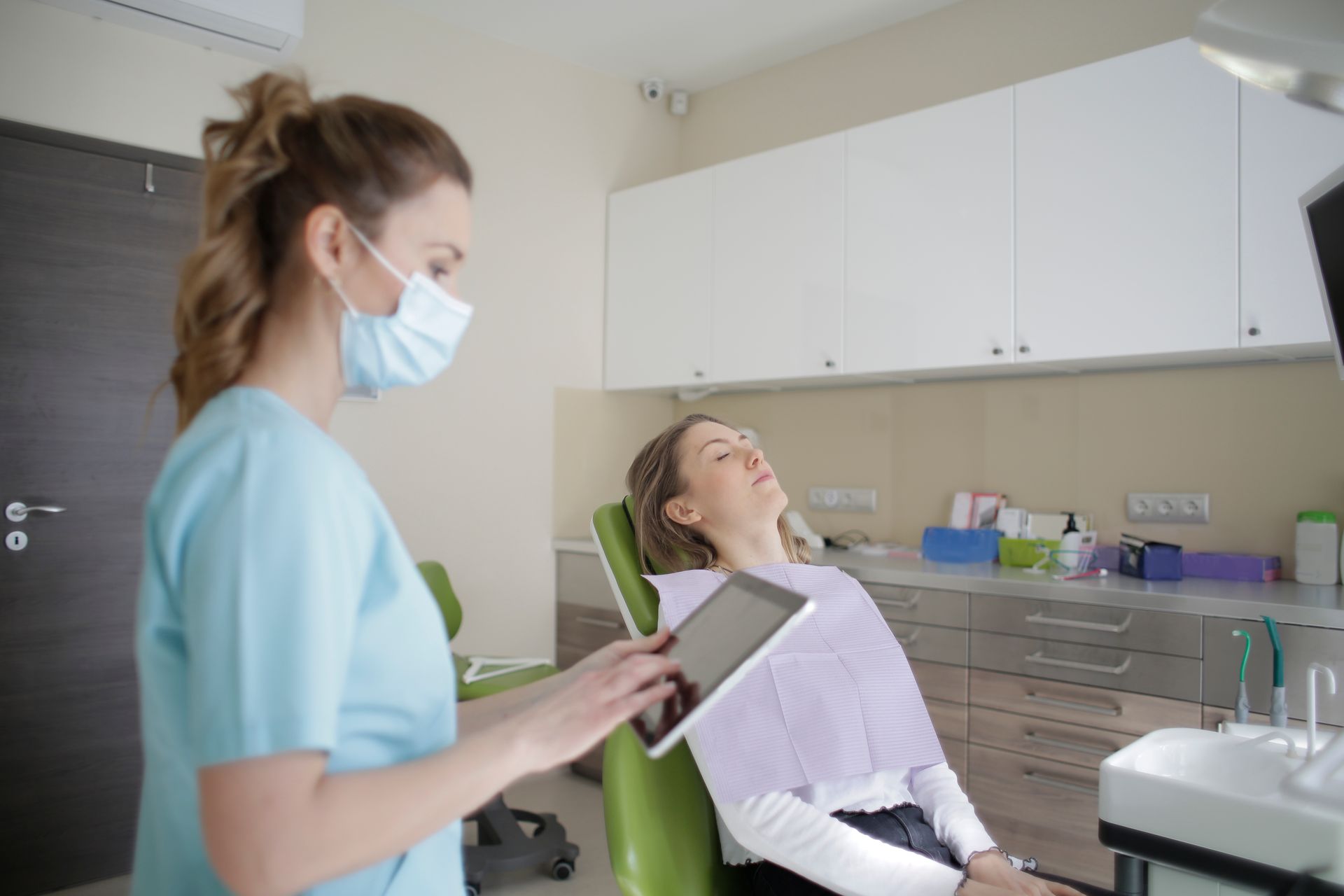
A conversation about oral sedation typically starts with your dentist asking about your health history, current medications, and what’s bringing you to consider sedation in the first place. From there, they’ll let you know whether it’s a good fit and, if so, what to expect and prepare for.
Explore the rest of this guide
Just starting to learn about oral sedation:
- What Is Oral Sedation Dentistry? How It Works
- Is Oral Sedation Safe? What to Expect
- Oral Sedation for Dental Anxiety: Is It Right for You?
Deciding if it’s for you:
- Am I a Candidate for Oral Sedation? (you’re here)
- Oral Sedation Cost in Calgary: What Affects the Price
Ready to book:
Ready to talk it through? Book an appointment with Deerfoot Dental Centre in NE Calgary.
Frequently Asked Questions
Do I need a referral to ask about oral sedation?
No — you can bring it up directly with our team when you book or at your next appointment.
What if I take regular medication — does that rule me out?
Not necessarily. Your dentist reviews your current medications as part of deciding whether oral sedation is appropriate — some medications may affect the decision, but that’s exactly what the review is for.
Can I request oral sedation for a routine cleaning, or is it only for bigger procedures?
It can be considered for a range of procedures, including routine ones, if anxiety or another factor makes it a good fit — it’s not limited to major procedures only.
What if I decide I don’t want sedation after all?
That’s entirely your choice — sedation is one option among several for making your visit more comfortable, and your dentist can talk through alternatives with you.
—