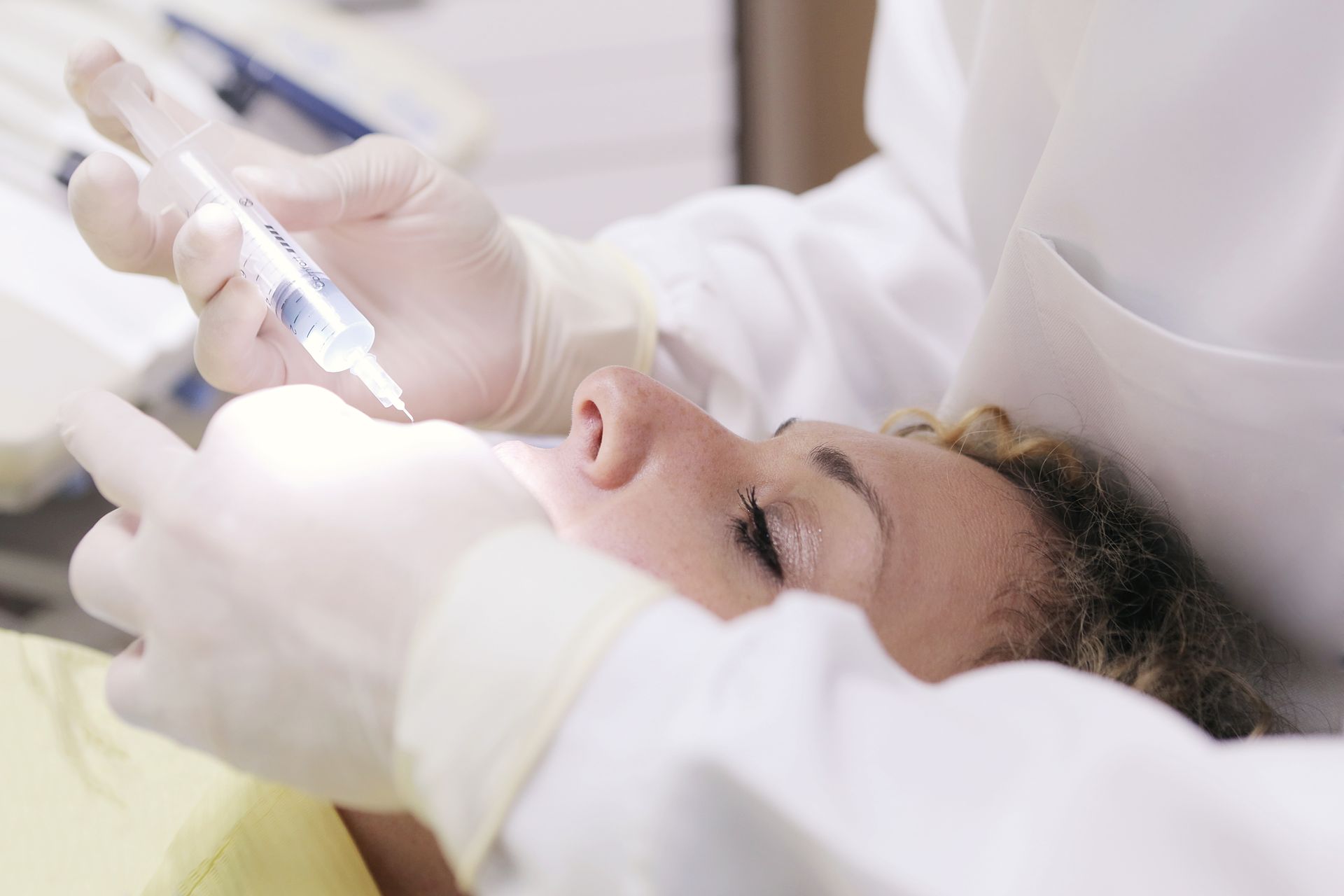
If the thought of a dental appointment makes your stomach drop, you’re far from alone — and it’s a big part of why sedation dentistry exists. This guide is the starting point for a series answering the questions people actually have about oral sedation: how it works, what it feels like, and whether it might be right for you.
This is general information, and every patient’s situation is different. Please contact our team for guidance specific to you.
The short answer
Oral sedation dentistry uses a prescription pill, taken before your appointment, to help you feel deeply relaxed during dental treatment. You stay conscious and able to respond to your dentist throughout the procedure — it’s not the same as being “put to sleep” — but many patients feel calm enough that time seems to pass quickly, and some remember very little of the visit afterward.
How oral sedation actually works
You’ll take the sedative pill at a specific time before your appointment, usually as directed by your dentist (sometimes the night before, sometimes the morning of). By the time you arrive, you’ll already be feeling its calming effects. Throughout your procedure, our team monitors you to make sure you stay comfortable and safe. Because the medication affects your coordination and judgment for several hours, you’ll need someone to drive you to and from your appointment.
What it feels like
Most patients describe oral sedation as a deep sense of calm or drowsiness — some compare it to the feeling right before falling asleep, without actually losing consciousness. You’ll still be able to hear and respond to your dentist, but the anxiety and tension that normally come with a dental visit tend to fade into the background.
Oral sedation vs. other types of sedation
Sedation dentistry covers a range of approaches, and it’s easy to mix them up:
- Oral sedation — a pill taken before your appointment (what Deerfoot offers)
- Nitrous oxide (“laughing gas”) — inhaled during the appointment, wears off quickly
- IV sedation — administered through an IV, typically for more involved procedures
- General anesthesia — full unconsciousness, usually reserved for surgical settings
Deerfoot Dental Centre offers oral sedation. If you’ve read about IV sedation elsewhere and are wondering whether that’s what we offer, it isn’t — our approach is the pill-based option described above.
Is it right for you?
Oral sedation tends to be a good fit for patients who feel anxious about dental visits, have avoided the dentist due to fear in the past, have a strong gag reflex, or are having a longer procedure. It’s not the right fit for everyone, though — some health conditions and medications need to be reviewed first. Am I a Candidate for Oral Sedation? goes deeper into what a dentist looks at when deciding.
What happens next
If oral sedation sounds like it could help, the next step is a conversation with your dentist about your specific procedure, health history, and what to expect on the day. You can see the full picture of that process here:
- Is Oral Sedation Safe? What to Expect
- Oral Sedation Cost in Calgary: What Affects the Price
- What to Expect Before and After Your Oral Sedation Appointment
Explore the rest of this guide
This page is the starting point for our full Oral Sedation series, organized by where you are in figuring things out:
Just starting to learn about oral sedation:
- What Is Oral Sedation Dentistry? How It Works (you’re here)
- Is Oral Sedation Safe? What to Expect
- Oral Sedation for Dental Anxiety: Is It Right for You?
Deciding if it’s for you:
Ready to book:
Ready to talk it through? Book an appointment with Deerfoot Dental Centre in NE Calgary.
Frequently Asked Questions
Is oral sedation the same as being put under general anesthesia?
No — with oral sedation you remain conscious and able to respond throughout your procedure. General anesthesia involves full unconsciousness and is a separate, different approach.
Does Deerfoot offer IV sedation?
No — Deerfoot offers oral sedation, taken as a pill before your appointment, not IV sedation.
Will I be able to drive myself home afterward?
No — oral sedation affects your coordination and judgment for several hours, so you’ll need someone to drive you to and from your appointment.
How long before my appointment do I take the sedative?
Your dentist will give you specific timing instructions based on your procedure and health history — this isn’t something to guess at on your own.
—