
Booking a first appointment for something you’re not fully sure about can feel like a bigger step than it needs to be. Here’s exactly what happens, from walking in the door to walking out with a plan.
This is general information, and every patient’s situation is different. Please contact your dentist or our team for guidance specific to you.
Before your appointment
No special preparation is needed. It can help to jot down when your symptoms started, what seems to trigger them (stress, chewing certain foods, mornings after a rough night’s sleep), and any questions you want to ask — but showing up as-is is completely fine too.
The exam itself
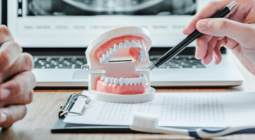
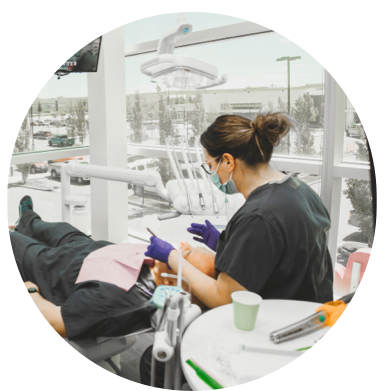
Your consultation starts with a conversation about your symptoms — when they started, what they feel like, and anything that seems to make them better or worse. From there, your dentist will examine your jaw: checking your bite, how far you can open your mouth, and listening and feeling for clicking or popping as you move your jaw. X-rays may be taken to get a clearer look at the joint itself.
What we’re looking for
During the exam, your dentist is checking for:
- How your teeth come together (your bite)
- Range of motion in your jaw
- Clicking, popping, or catching in the joint
- Wear patterns on your teeth that point to grinding or clenching
- Tenderness in the jaw muscles
Together, these help pinpoint what’s actually driving your symptoms — which matters, because TMJ disorder can stem from a few different underlying causes.
Talking through your treatment options
Once your dentist has a clear picture, they’ll walk you through what they found and what’s typically recommended for it — whether that’s a nightguard, self-care guidance, Botox, or something else. You’ll have a chance to ask questions and talk through cost and next steps before deciding anything.
If you want a fuller picture of what those options involve first, see TMJ Treatment Options in Calgary: Splints, Physical Therapy, Botox & More.
How long does it take?
A first TMJ consultation is typically similar in length to a standard dental exam appointment — enough time for a thorough exam and an unhurried conversation about what’s next. Your dentist’s office can confirm an exact appointment length when you book.
What to bring
- Your health/dental insurance information, if applicable
- A list of your symptoms and when they started (helpful, not required)
- Any questions you’d like answered
Explore the rest of this guide
Just starting to figure out what’s going on:
- TMJ Disorder: Symptoms, Causes & When to See a Dentist
- Am I a Candidate for TMJ Treatment? Signs You Shouldn’t Ignore
Looking into treatment:
- TMJ Treatment Options in Calgary: Splints, Physical Therapy, Botox & More
- How Much Does TMJ Treatment Cost in Calgary?
Ready to book:
- Our TMJ Treatment service page
- What to Expect at Your First TMJ Consultation (you’re here)
Ready to book? Book an appointment with Deerfoot Dental Centre in NE Calgary — no referral needed.
Frequently Asked Questions
Will I leave with a treatment plan the same day?
Often, yes — your dentist can usually recommend a treatment path at your first visit, though some cases may need a short follow-up if further review is needed.
Does the exam hurt?
No — checking your bite and jaw movement is not painful. If X-rays are taken, that’s the same quick, painless process used for routine dental X-rays.
Do I need to fast or avoid anything before my appointment?
No special preparation is needed for a TMJ consultation.
What if I decide I don’t want the recommended treatment?
That’s entirely your choice — your dentist can talk through alternatives or a more conservative starting point if you’re not ready to commit to what’s initially recommended.
—